For Jessica Lauda, the most meaningful part of health physics isn’t the science — it’s the people.
Lauda, a health physicist with the Buffalo District, works primarily on FUSRAP sites, often in areas where the legacy of radioactive contamination is personal and deeply felt. At one site in a small town outside Pittsburgh, nearly every resident either worked for the former facility or knows someone who did.
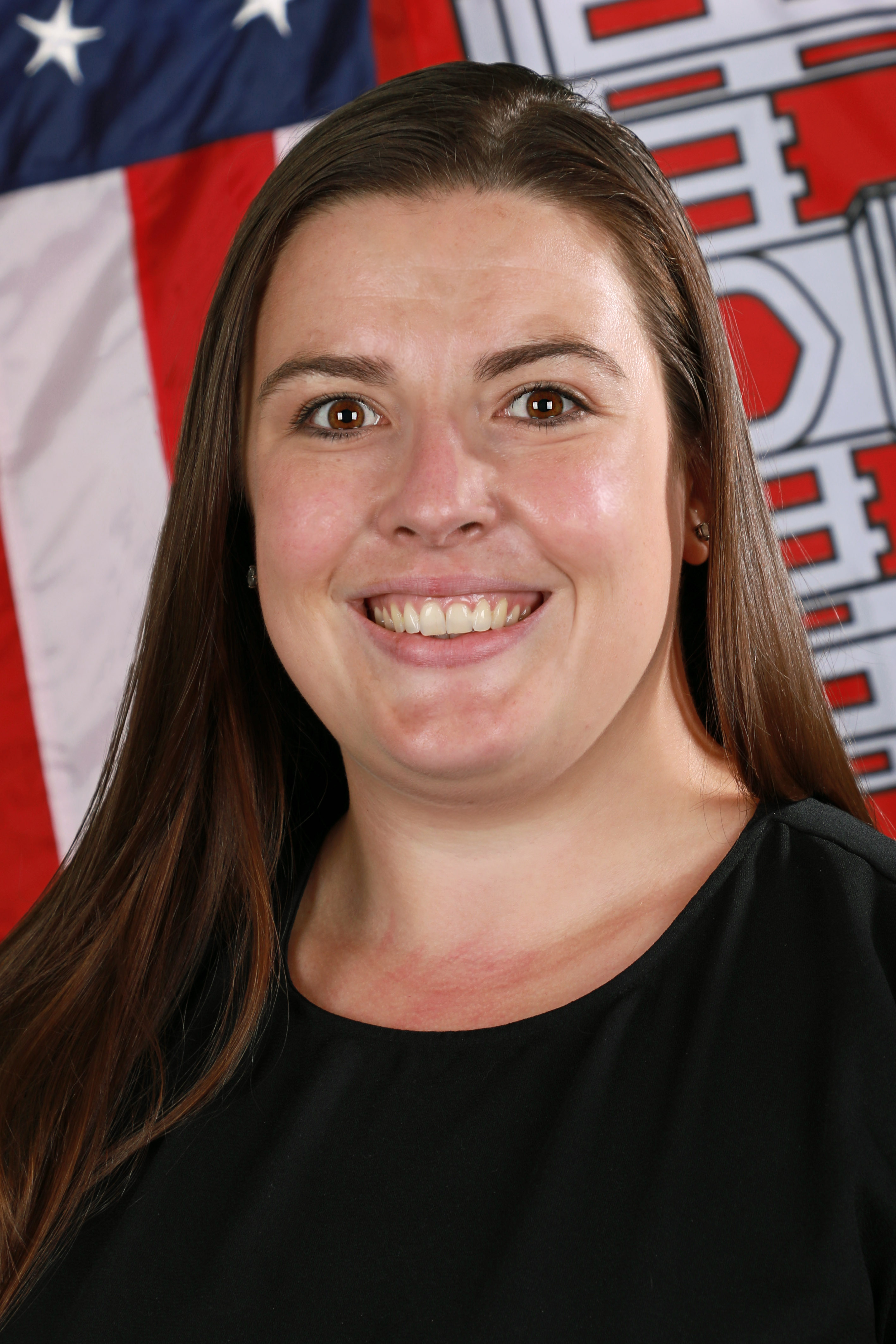 “There’s a lot of speculation and lore that gets passed down in these communities,” Lauda said. “People are worried about what was left behind and what that means for their health.”
Public meetings are held every six months, and emotions often run high. Lauda sees her role as helping bridge the gap between technical reality and public fear.
“There’s a fear of the unknown that comes from not understanding the risk,” she said. “I can explain what the risks actually are, how we control them and what the remediation plan looks like. That understanding provides real relief.”
As one of USACE’s newest health physicists, Lauda also values the collaborative culture among her colleagues.
“There’s a real community here,” she said. “You can bounce ideas off each other and tap into decades of combined experience.”
Lauda’s own experience includes more than six years as a civilian radiological nuclear engineer for the Navy and a degree in environmental engineering.
“What really drew me from engineering into health physics was the focus on people and the environment,” she said. “Health physicists are really concerned with public safety, not just getting a project done.”